Senior CFD and multiphysics simulation expert with over 30 years of experience combining scientific research and industrial software development. Spent more than two decades in oceanographic CFD and multiphysics modeling, developing strong capabilities in model innovation, verification, and large-scale numerical simulation, with dozens of co-authored peer-reviewed publications.
In recent years, transitioned to independent commercial development, delivering remote CFD- and FEM-based software projects across domains. Experienced in applying CFD both directly and indirectly to complex application scenarios, including HemoDyn, a prototype framework integrating hemodynamic CFD with machine learning to support clinical effect assessment and reduce experimental and clinical sample demands.
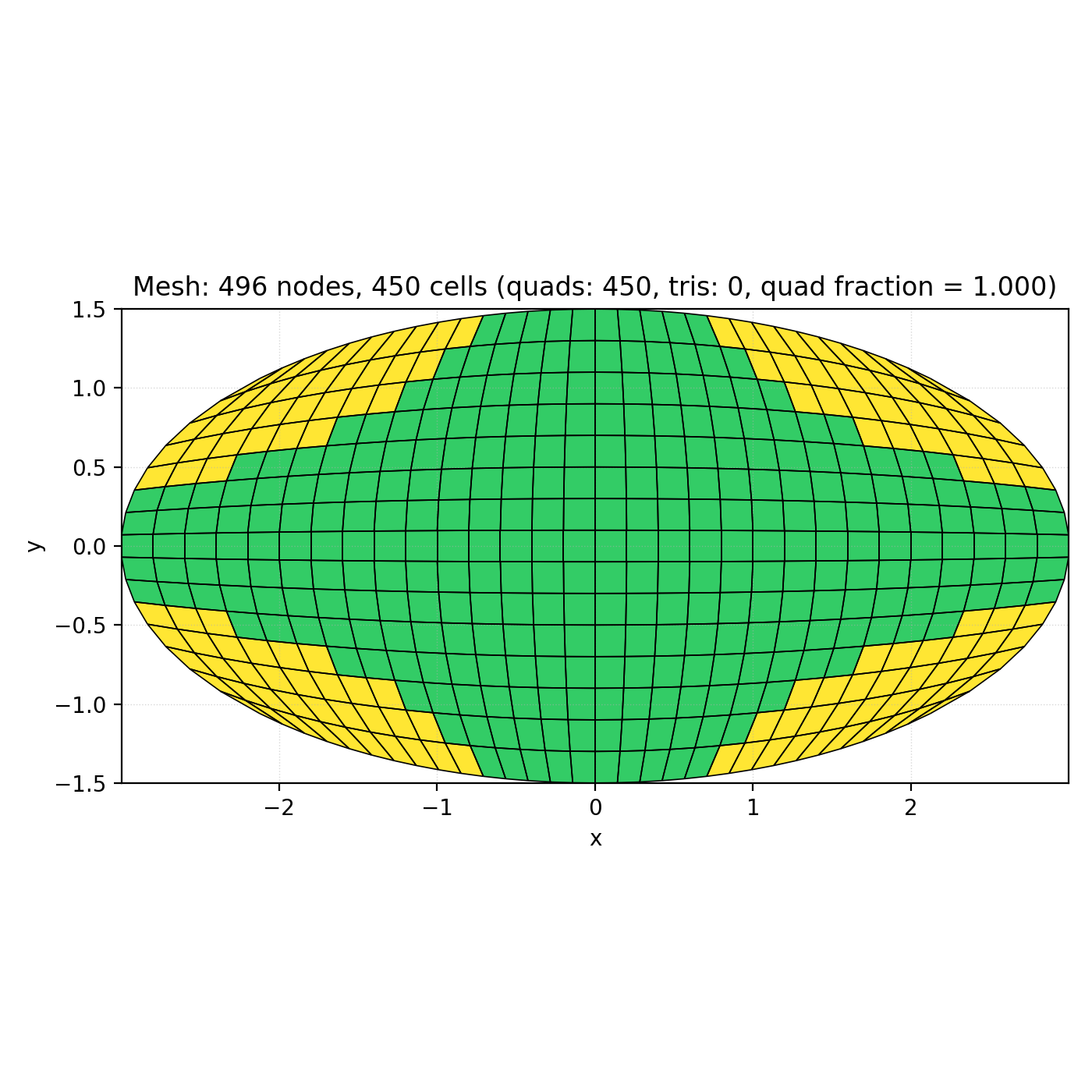
Strong focus on AI-assisted engineering workflows. Developed BSMesher, an industrial-grade meshing tool, from scratch within four months by effectively navigating AI assistants—demonstrating the ability to rapidly deliver high-complexity engineering software by combining physics-based modeling, AI, and efficient execution.
Experience
- Founder, MySim Digital Technology ApS, China and Denmark (2017 ~ )
- Research Scientist, Danish Meteorological Institute (2007 - 2016)
- Associate Professor, Xiamen University (2004 - 2007)
Projects
- HemoDyn - Hemodynamic CFD Simulation Platform
- PINNs - Inverse Modeling with Physics-Informed Neural Networks
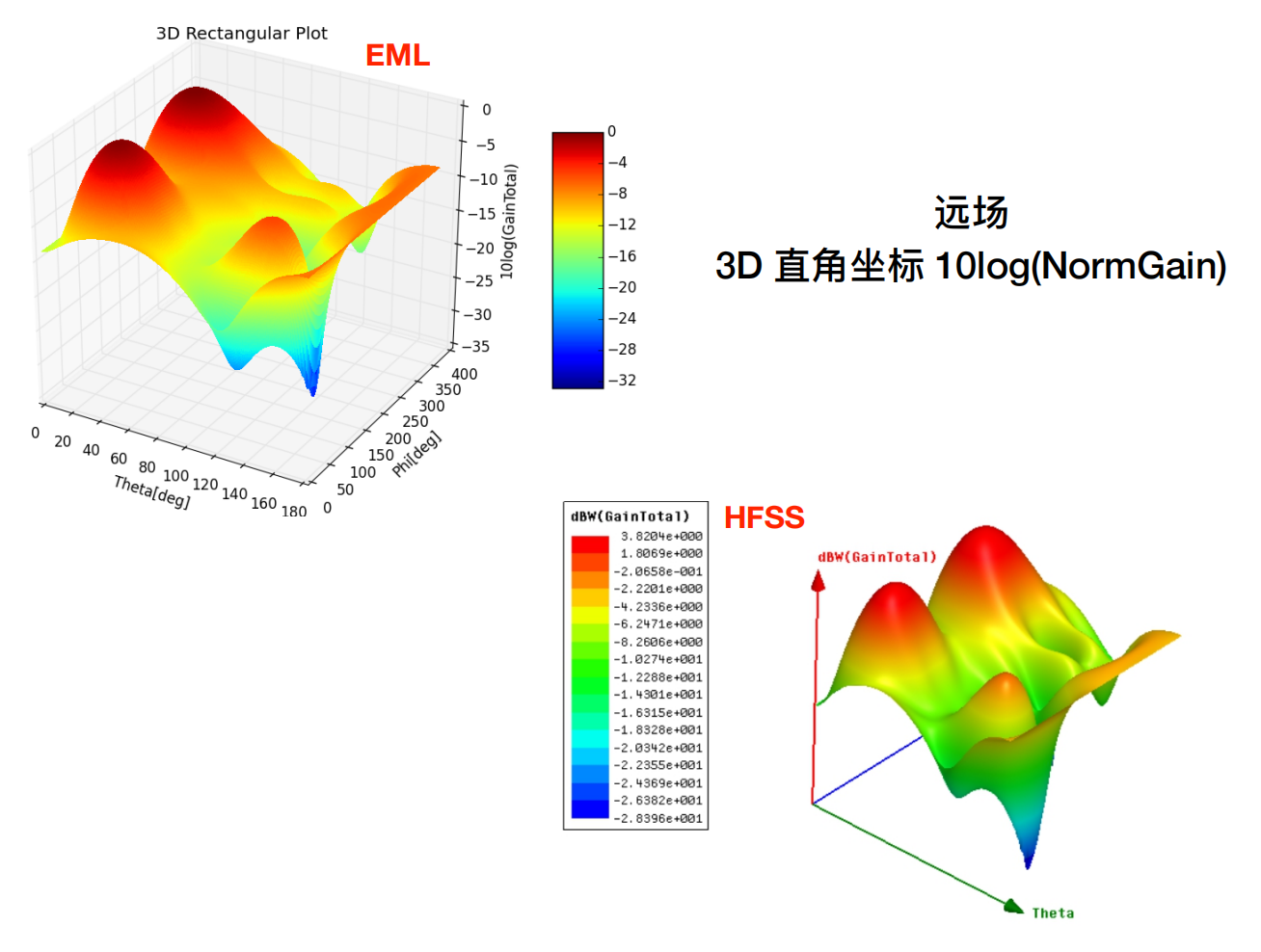
- EML - High Frequency Electromagnetic Wave Simulator
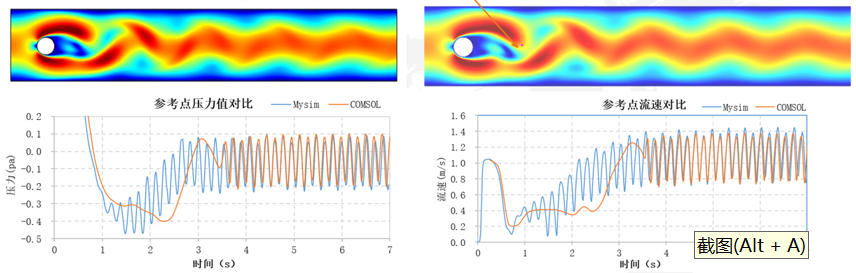
- MySim - Multiphysics Simulator
- BSMesher - B-Spline Surface Meshing Tool
HemoDyn aims to simulate blood flow and physiological dynamics for boosting bioengineering development and assessing the effects of medical intervention. The preliminary goal is to reduce the sample size in clinical trials for LEAO. Oxygen concentration in leg muscles is the selected bioinfo for measuring the severity of LEAO. ML is employed to map oxygen with functional index, e.g. walk distance. Oxygen comes from a physiological model which connects a vascular hemodynamics model. The hemodynamics model is driven by pulse data from wearable devices, e.g. Apple Watch, while assimilating other data, like readings from a toe-tip oximeter. The hemodynaimcs model is solved by the 1D ROM solver of SimVascular. The physiological model of oxgen allows for transport, transmembrane exchange and muscular consumption, and it is solved by multiple solvers from Elmer Multiphysics. VTK is used to animate model results. An API to access pulse data from wearable devices and functionalities to faciliate machine learning is being developed. More...
This project implements a hybrid neural network and physics solver to recover hidden physical parameters from noisy observations. It demonstrates the effectiveness of physics-informed machine learning for reduced-order modeling in biomedical contexts. More...
Aimed to reproduce Ansys HFSS benchmark cases. More...
Aimed to reproduce COMSOL benchmark cases. More...
An industrial-grade meshing tool specialized for B-Spline surfaces. More...